

plant all risk
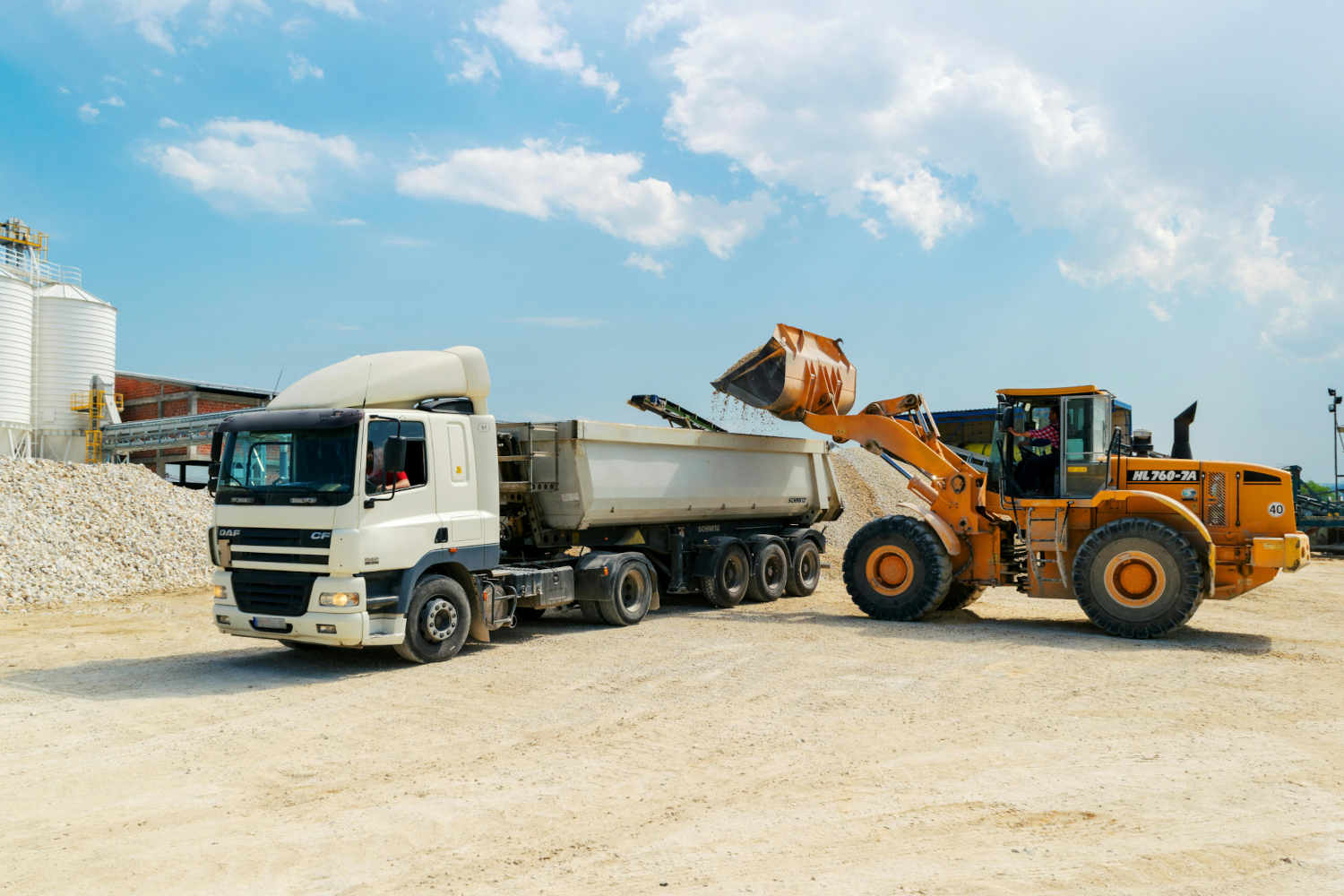
Your onsite machinery (plant) is vulnerable to a number of problems such as breakdowns, vandalism and theft. Missing a project deadline can be bad news for your bottom line as well as your reputation. Plant all risk Insurance covers you for loss of, or damage to, construction plant and equipment whilst in storage, transit, on the contract site or being used as a tool of trade.
The cover can be extended to include plant hired-in, plant hired-out and for hire charges which may arise as a result of loss or damage or third party liability.
Whether you work on large scale construction sites or are a handyman, we have a broad range of plant all risk Insurance policies available to meet your specific needs and protect you against potential issues.
Secure Your Equipment And Machines In Minutes

When is the plant covered?
Plant All Risk Insurance covers you while it’s stored at your own premises, in transit between your premises and the place of use, whilst being used as a tool of trade or at an exhibition/ demonstration and transit back to your premises.

Where is it covered?
You are covered as long as the off-site location is within the geographical limits noted in the policy. If plant is moved between sites or off-site temporarily, it should be declared.

What Equipment is covered?
• Excavators, bulldozers, graders
• Cranes, loaders, and compressors
• Generators, compactors, mixers
• Drills, lifts, scaffolding gear
• Any plant or machinery used in construction

Do I need Insurance If the equipment is hired?
Yes, the hire company can hold you liable to replace the damaged/stolen equipment. Make sure you are covered for this!

Plant Hire - Read the contract!
When hiring in plant – like a digger loader – it’s essential to understand the Terms & Conditions of the hire. These terms are often outlined in an order, pro forma, email, or fax, and should clearly reference the conditions of hire.
Ideally, each hire would be covered by a written Contractors Plant Hire Association (CPHA) agreement. In reality, documentation varies, and it’s common for orders, acknowledgements, and invoices not to reference any specific terms.
If CPHA terms aren’t explicitly mentioned, it’s important to confirm whether they were verbally agreed. A supplier’s term agreement or a history of regular dealings may also imply agreed conditions.
Often, plant is hired via a quick phone call – especially from site – where cost and availability override formalities. But even in these cases, legal responsibilities apply: the hirer is considered a bailee under common law and must take reasonable care of the equipment and return it in good condition.
In short, never assume a verbal rate alone defines your obligations – you’re still liable for the safe keeping and proper return of the plant.
What is covered?
• Accidental loss or damage
• Fire, storm, flood, and theft (with forcible entry)
• Damage during transit (road or rail)
• Collapse or overturning on-site
• Malicious damage and impact
What is NOT covered?
• Wear and tear or mechanical breakdown
• Damage due to negligence or lack of maintenance
• Damage during illegal use or by unlicensed operators
• Using the equipment for something it is not designed for
• Used in tidal waters or underground

Who Needs This Cover?
It is essential for contractors, plant hire companies, construction firms, and developers who own or lease construction machinery or equipment used on project sites.
Frequently Asked Questions
What happens if the contractor fails to perform?
If the Contractor defaults, or fails to honour their obligations, the Owner/Employer may call on the Performance Guarantee in order to complete the Contract. The Insurer then pays the Employer the agreed-upon guarantee amount so they can find a new Contractor to complete the project. In most cases, the Insurer will hold the Contractor liable and will expect reimbursement of the amount paid.
What documents should I have prepared for the application
- Company profile (including an organogram and copies of the current and previous contracts)
- Two years’ financial statements and three months’ bank statements
- Letter of appointment
- Contract information
- Guarantee wording requirements
- Company registration documentation
- Copies of all members’ identity documents and income tax numbers
- Copy of letterhead
- Tax clearance certificates
- CIDB certificate
What will the guarantor look at when assessing my application?
- All applications are subject to a thorough analysis to establish the Contractor’s risk profile. This will include an assessment of the Contractors’ financial standing and their resource capabilities to fulfill the Contract obligations.
For Corporate Clients, emphasis is placed on:
- the financial standing of the Contractor
- the company structure and shareholding
- the Contract information
- the Guarantee wording requirements
- the securities available
What is a deductible or excess?
The excess is the portion of the loss you pay before the insurer covers the balance. It varies based on the item, claim type, or risk factor (e.g., theft or overturning).
What documentation is needed when claiming?
-
Proof of ownership or hire
-
A police report (for theft or malicious damage)
-
Maintenance and service records
-
Photographs of the damage
-
Operator license (if applicable)
Can the policy cover multiple sites or companies?
Yes, cover can be structured to apply across multiple construction sites and, in some cases, associated companies, if this is declared and approved by the insurer.
Can I insure hired plant under my own policy instead of paying the rental company?
Yes, many contractors choose to cover hired-in plant under their own PAR policy to avoid being held liable for accidental damages whilst the plant is under their custody and control. Just make sure it’s properly declared.
